

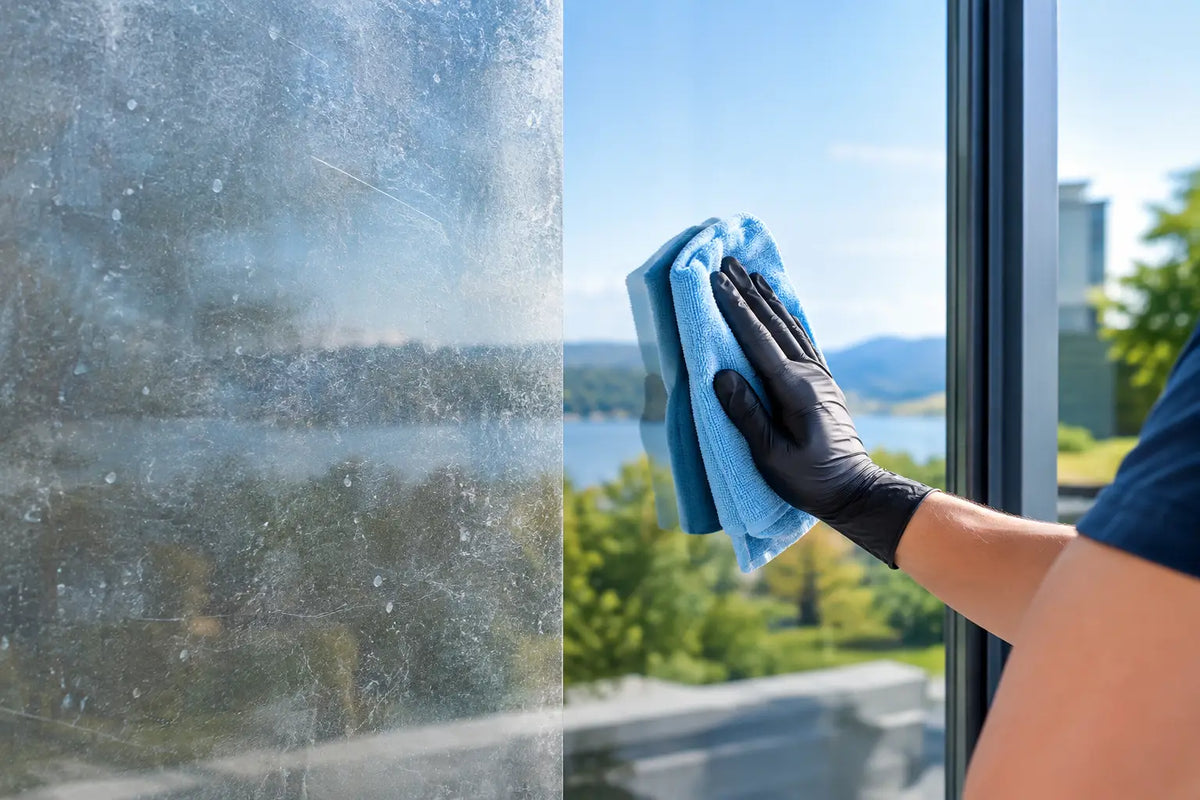
A shower door can look permanently cloudy even after repeated cleaning. Often, the problem is not dirt sitting on the surface. It is mineral buildup and soap residue that have bonded to microscopic imperfections in the glass. Effective Restoration addresses that buildup first, then helps prevent the same cycle from returning.
For homeowners, the difference matters. A quick cleaner may make glass look better for a day or two, while a proper restoration-and-protection process can reduce spotting, preserve clarity, and make routine cleaning far less demanding.
What Glass Restoration Actually Does
Glass is not perfectly smooth at a microscopic level. Its porous surface can collect minerals from hard water, oils from soap and body-care products, and residue from household cleaners. Over time, those deposits create haze, white spots, dullness, and streaking that ordinary glass cleaner cannot always remove.
Restoration uses a purpose-built stain remover or treatment process to break down and lift mineral deposits from the surface. The goal is to return the glass as close as possible to its original clear appearance without relying on abrasive scouring that can create additional scratches or unevenness.
The result depends on the condition of the surface. Fresh water spots and light soap scum typically respond well to targeted cleaning. Severe, long-standing buildup may require more time, repeated treatment, or professional evaluation, particularly if minerals have etched the glass. Restoration can dramatically improve many surfaces, but it cannot always reverse physical damage already embedded in the material.
Why Cleaning Alone Is Not a Long-Term Plan
Once glass has been restored, it is tempting to return to the same weekly spray-and-wipe routine. That works only until water begins drying on the surface again. As each drop evaporates, it leaves minerals behind, restarting the buildup process.
A protective coating changes the maintenance equation. Rather than sitting on top like a temporary polish, a quality coating can chemically bond with silica-based surfaces to form an ultra-thin, hydrophobic barrier. Water beads and sheets away more easily, carrying away much of the residue that would otherwise cling to exposed glass.
This does not mean a coated shower door never needs cleaning. It means routine cleaning is usually faster, gentler, and less frequent because soap scum and mineral deposits have less opportunity to anchor to the surface. The practical benefit is a clearer door with minimal effort, not a promise of zero maintenance.
A Better Restoration Process for Shower Glass
The most reliable process follows a simple order: restore first, protect second, maintain consistently. Applying a coating over mineral haze can trap the appearance of staining beneath the treatment and limit the coating's ability to bond evenly.
Start by identifying the cause of the cloudiness. If the surface feels rough or shows chalky white spotting, hard-water minerals are likely involved. If it feels slick or greasy, soap residue and body oils may be the larger issue. Many shower doors have both, which is why a surface-specific restoration product is more effective than relying on all-purpose cleaner.
After removing residue, rinse thoroughly and dry the glass completely. Protection products need a clean, dry surface for proper chemical bonding. Follow the application directions closely, especially regarding cure time and buffing. Skipping preparation may produce uneven results, even with a rigorously tested coating.
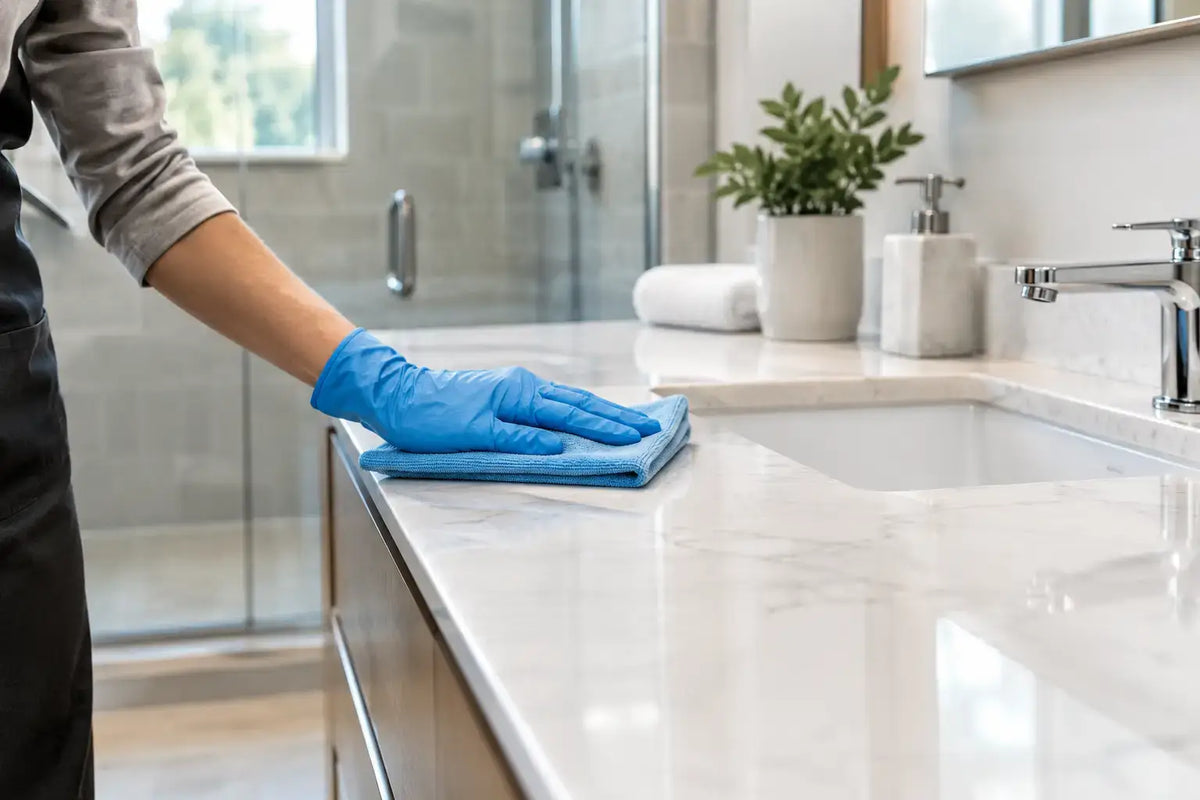
For most homes, a quick pass with a squeegee after showering is still worthwhile. It limits standing water and reduces how much residue the coating must repel. Pair that habit with a non-abrasive maintenance cleaner, and the glass should stay easier to clean between deeper treatments.
Where Restoration and Protection Make the Biggest Difference
Shower doors are the most familiar application, but the same principle applies across other silica-based surfaces exposed to water and weather. Bathroom mirrors, glass tile, vehicle windshields, and solar panels can all collect spots that reduce clarity and increase cleaning time.
The trade-off is that each surface has different demands. A windshield needs optical clarity and durable water repellency without interfering with visibility. A shower enclosure faces soap, steam, and daily mineral exposure. Solar panels require cleaning methods that avoid residue and unnecessary abrasion. Choose restoration and protection products designed for the specific surface rather than treating every material the same way.
Restore the Surface, Then Change the Routine
The best time to address staining is before it becomes a permanent-looking problem. If water spots are beginning to resist normal cleaning, restoration can reset the surface. Adding a hydrophobic protective barrier afterward helps keep that work from becoming another short-lived cleaning victory.
ShopDFI approaches surface care as a system: remove buildup, create lasting protection, and maintain the finish with gentler effort. A clear shower door should not require aggressive scrubbing every weekend. With the right restoration process and a consistent maintenance habit, spotless glass becomes much more realistic to keep.

Leave a comment
This site is protected by hCaptcha and the hCaptcha Privacy Policy and Terms of Service apply.